Reviewing Seamless Embroidery Botanical Papers for Real Use
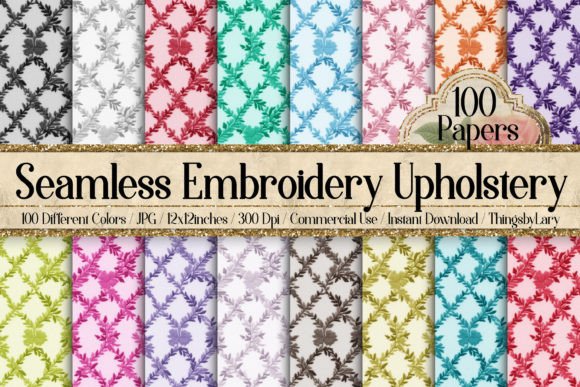
As a designer who has spent countless hours digitizing motifs and troubleshooting thread breaks, I approach any new embroidery file or design asset with a healthy dose of skepticism. We have all been there: downloading a beautiful preview only to find the stitch density is too high for standard cotton or the details vanish on textured fabric. When I first encountered Seamless Embroidery Botanical Papers, my initial reaction was curiosity mixed with caution. This is not a traditional machine embroidery design in the sense of a single DST or PES file ready to hoop. Instead, it is a massive resource pack, weighing in at 477 MB, containing 100 JPG images of seamless botanical upholstery digital papers in 100 different colors.
For those of us running a craft business or managing an Etsy seller storefront, understanding the distinction between a stitch file and a graphic asset is crucial. These are Graphics and Patterns intended for visual design, mockups, and surface pattern application rather than direct machine stitching. However, their value in the workflow of a professional embroiderer is undeniable if used correctly.
The Visual Impact and Design Mood
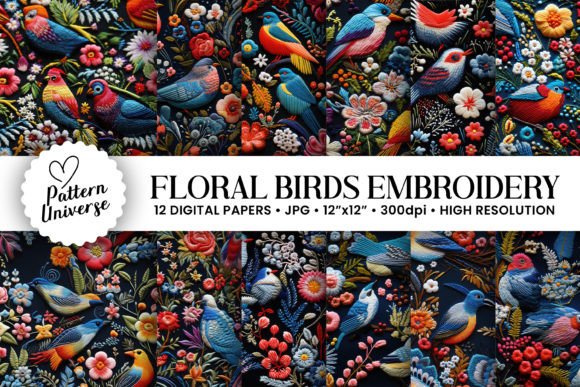
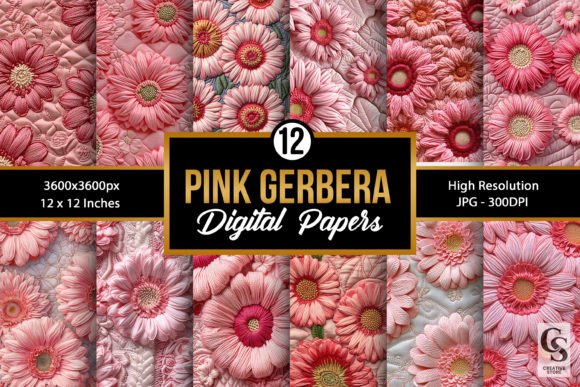
The first thing that strikes you about this collection is the consistency of the aesthetic. Each of the 100 variations maintains a cohesive botanical theme, featuring organic shapes that mimic the look of embroidered threads. The mood is soft, natural, and artisanal. For a designer creating a brand identity for a handmade shop, these assets provide an immediate sense of warmth and craftsmanship. The layout of the botanical elements feels balanced, avoiding the chaotic clutter that often plagues lower-quality digital papers.
When I opened the zip file, I was impressed by the variety. Having 100 different colors means you are not stuck trying to recolor a single image in Photoshop, which can often result in muddy or unrealistic tones. Whether you need a muted sage green for a nursery brand or a vibrant coral for a summer apparel line, the palette is extensive. This variety allows for rapid prototyping of design assets without spending hours on color correction.
Real-World Application: The Custom Tote Bag Scenario
To test the practical utility of Seamless Embroidery Botanical Papers, I imagined a common client request: a set of custom branded tote bags for a local boutique selling organic skincare. The client wanted packaging that felt eco-friendly and handcrafted. While I would use actual fill stitch and satin stitch techniques for the final physical product, the digital presentation is what sells the idea first.
Using these JPG images, I created a printable mockup of the tote bag design. I layered one of the seamless botanical patterns over a canvas texture to simulate how the embroidery might look from a distance. This helped the client visualize the density and color interaction before I even touched the stabilizer or thread. It bridged the gap between concept and reality. For an embroidery project like this, where the fabric texture plays a huge role, having a high-quality digital reference helps manage client expectations regarding how the thread colors will appear against the material.
Navigating Limitations and Technical Considerations
It is vital to address what this product is not. These are not applique design files or vector-based digital embroidery file formats that your machine can read directly. You cannot load a JPG into your embroidery software and expect it to auto-digitize perfectly. If you intend to turn these patterns into actual stitched work, you must digitize them manually or use auto-digitizing software with extreme care.
When translating these visual patterns into real stitches, consider the stitch density. The images show a dense, rich coverage that looks like upholstery fabric. Replicating this with thread requires careful planning. On a sweatshirt embroidery project, such density could cause puckering if the hoop size is not appropriate or if the stabilizer is insufficient. On thin fabrics, like those used for baby embroidery or lightweight custom apparel, this level of detail might be too heavy. I recommend testing small sections on scrap fabric first to gauge the tension and coverage.
Furthermore, be mindful of curved surfaces. Applying a complex botanical pattern to a cap or hat requires breaking the design into smaller, manageable sections. A seamless pattern that works flat on a tote bag design may distort significantly on the crown of a cap. Always check how the pattern flows over the specific geometry of your finished product.
Enhancing Brand Value and Customer Trust
For small shop product creators, presentation is everything. Using high-quality graphics like Seamless Embroidery Botanical Papers in your online listings elevates the perceived value of your handmade product. When customers see a cohesive, professional-looking personalized gift option in your store images, they trust the quality of the actual item. These assets help maintain brand consistency across your social media, website, and packaging.
Consider using these patterns for holiday embroidery promotions. You can create digital cards or social media posts that feature the botanical motifs, teasing upcoming physical products. This keeps your audience engaged without requiring you to stitch every single sample immediately. It is a smart way to leverage commercial embroidery aesthetics in your marketing funnel.
Practical Designer Notes for Best Results
- Verify Licensing: Before using these images in commercial products or as part of a digital product you sell, confirm the license terms provided in the zip file. Ensure you have the right to use them for commercial embroidery marketing or printed goods.
- Check Resolution: Since these are JPGs, zoom in to ensure the resolution is high enough for your intended print size. Blurry edges kill professionalism.
- Contrast Testing: Use black and white mockups to check if the botanical details stand out against your chosen fabric color. Low contrast can make intricate designs look like a smudge from a distance.
- Fabric Compatibility: Remember that the visual texture in the image is simulated. Real thread has sheen and dimension. Choose thread colors that complement, rather than exactly match, the digital preview to account for light reflection.
- Stabilizer Selection: If you digitize these patterns for stitching, use a cut-away stabilizer for stretchy fabrics like jersey t-shirts to prevent distortion, especially given the potentially dense nature of the botanical fills.
In conclusion, Seamless Embroidery Botanical Papers is a powerful tool for the visual and planning stages of your design process. It is not a shortcut for digitizing, but it is an excellent resource for inspiration, mockups, and branding. By understanding its strengths as a graphic asset and respecting the technical limits of embroidery machinery, you can integrate these beautiful patterns into a workflow that produces stunning, professional embroidered patch work, apparel, and home decor. Use it to visualize, plan, and sell, then let your stitching skills bring the reality to life.