Folk Embroidery Ethnic Floral Pattern Review
As a designer who spends half my life digitizing and the other half stitching, I have learned to look past the glossy thumbnail. When I first opened the Folk Embroidery Ethnic Floral Pattern, I was not just looking for pretty shapes. I was looking for structural integrity, stitch logic, and commercial viability. This is not merely a collection of pixels; it is a potential revenue stream for an Etsy seller or a signature element for a boutique brand. Let us break down how this Graphics asset performs when it moves from the screen to the needle.
First Impressions: Mood and Visual Personality
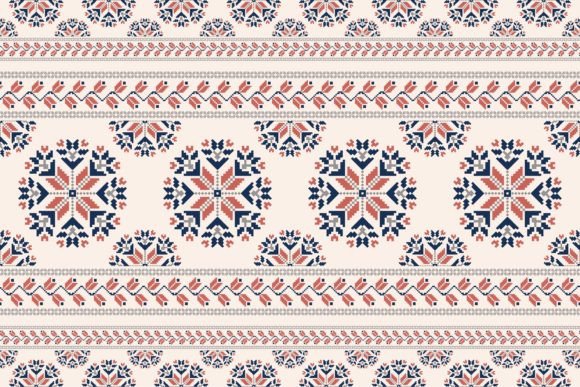
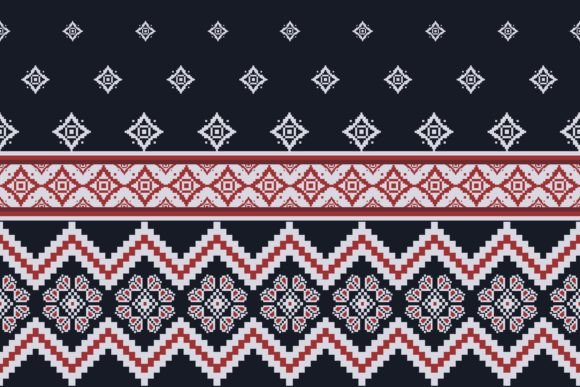
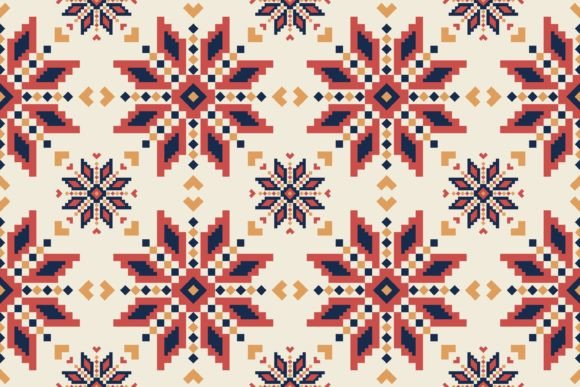
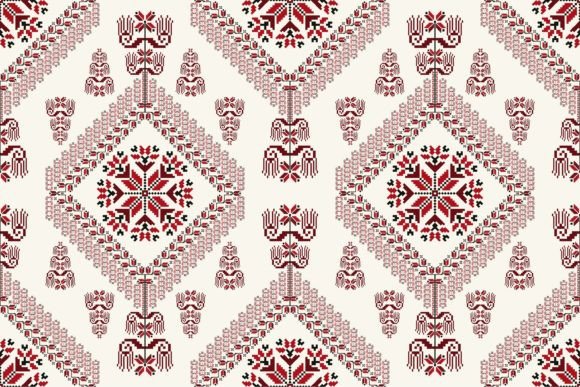
The immediate vibe of this design is grounded and organic. It avoids the sterile perfection of modern minimalism in favor of something that feels hand-hewn and traditional. The geometric floral shapes suggest a heritage aesthetic, reminiscent of Eastern European or Scandinavian folk art. For a crafter, this mood is invaluable. It speaks to customers who value authenticity and warmth. The layout is balanced, with a rhythm that guides the eye naturally across the motif. It does not scream for attention; rather, it invites closer inspection. This subtlety is crucial for high-end handmade product lines where understated elegance often outsells loud branding.
Real-World Application: The Tote Bag Test
To truly evaluate a design, you must imagine it on a physical object. I visualized this pattern on a heavy canvas tote bag design. The geometric nature of the flowers provides excellent coverage without requiring excessive stitch density, which is a common pitfall in floral designs. On a textured fabric like canvas or linen, the clean lines of this vector-based pattern hold up remarkably well. The contrast between the structured geometry and the soft drape of the fabric creates a tactile appeal that photographs beautifully for online listings.
Consider also its use in custom apparel. Placed on the chest of a neutral-toned sweatshirt, this sweatshirt embroidery becomes a statement piece. It is large enough to be recognized from a distance but detailed enough to reward close viewing. For small shop product lines, this versatility is key. You can offer the same design on different items, creating a cohesive brand identity without needing to purchase entirely new design assets for every category.
Stitching Clarity and Technical Performance
One of the biggest challenges with folk-inspired patterns is maintaining clarity. Complex motifs can turn into a muddy mess if the digitizer does not account for thread pull and fabric shift. This machine embroidery design appears to prioritize clarity. The separation between the geometric elements allows the background fabric to breathe, preventing the "cardboard effect" where the fabric becomes stiff and unyielding.
When working with this embroidery file, pay attention to the transition between colors. Folk patterns often rely on bold color blocking. Ensure your thread colors have sufficient contrast. A low-contrast palette might look sophisticated on screen but vanish under store lighting. I recommend testing a high-contrast combination first, such as deep indigo against cream, to verify the sharpness of the geometric edges. If you are using this for an applique design, the clear boundaries make it an ideal candidate for fabric layering, reducing stitch count while maximizing visual impact.
Navigating Fabric Challenges
Not every surface is friendly to intricate patterns. While this design is robust, it requires careful handling on certain materials. On stretchy fabrics, such as jersey knits used in baby embroidery items, the geometric lines can distort if the stabilizer is not adequate. Always use a cut-away stabilizer for garments that will undergo frequent washing and stretching. For delicate fabrics like silk or thin cotton, the weight of the stitches might cause puckering. In these cases, consider scaling the design down or using a lighter weight thread.
Curved surfaces present another challenge. Applying this pattern to a cap or a rounded pillow cover requires careful hooping. The straight lines of the geometric flowers can appear warped if the fabric is not stabilized perfectly within the hoop size limits. I advise running a test stitch on a scrap piece of the exact fabric you intend to use. This simple step saves hours of frustration and prevents wasted materials. Remember, a finished product is only as good as its worst stitch.
Commercial Viability and Brand Trust
For the craft business owner, consistency is currency. Using a high-quality digital embroidery file like this one helps build trust. Customers can spot a poorly digitized design from a mile away. Jagged edges, loose threads, and uneven tension signal amateurism. Conversely, crisp, clean stitching signals professionalism. This pattern, with its clear vector origins, lends itself to that professional finish. It elevates a simple personalized gift into a heirloom-quality item.
Furthermore, this design fits seamlessly into seasonal collections. It works wonderfully for holiday embroidery projects, particularly those with a rustic or traditional theme. It can be adapted for wedding gifts by adjusting the color palette to match bridal themes, or for nursery decor by softening the tones. Its adaptability makes it a smart investment for any Etsy seller looking to expand their catalog without starting from scratch.
Practical Designer Notes
Before you commit to a full production run, keep these practical tips in mind:
- Test on Scrap Fabric: Never stitch directly on your final garment. Use a similar weight and weave to check for puckering or distortion.
- Check Stitch Density: If the design feels too dense, adjust your machine settings or add a tear-away backing to support the fabric.
- Verify Licensing: While this is a versatile pattern, always confirm the license terms. Ensure you have the right to sell commercial embroidery items made with this file.
- Mockup in Black and White: Remove color from your digital preview. If the design loses its shape without color, the contrast is insufficient.
- Inspect Small Details: Zoom in on the vector file. Are there tiny, isolated stitches that might break? Clean up any unnecessary nodes before digitizing or stitching.
In conclusion, the Folk Embroidery Ethnic Floral Pattern is a strong contender for your next project. It balances aesthetic charm with technical practicality. Whether you are creating a printed mockup for your online store or stitching a one-of-a-kind embroidered patch, this design offers the reliability and beauty that serious makers demand. Treat it with respect, prepare your materials carefully, and it will serve your brand well.