Reviewing Carpet Pattern Craft ‘Embroidery for Real Projects
As a designer who has spent countless hours staring at digitized files and troubleshooting thread breaks, I approach every new machine embroidery design with a mix of curiosity and skepticism. We have all been there: you download a beautiful digital embroidery file, load it onto your machine, and hope it translates from screen to fabric without turning into a bird’s nest. Recently, I evaluated Carpet Pattern Craft ‘Embroidery, a piece that caught my eye for its bold aesthetic and potential versatility in a commercial setting.
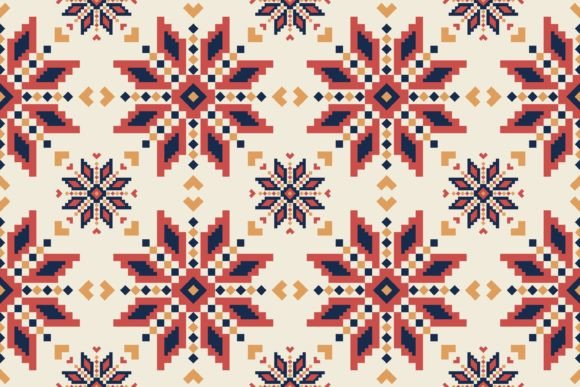
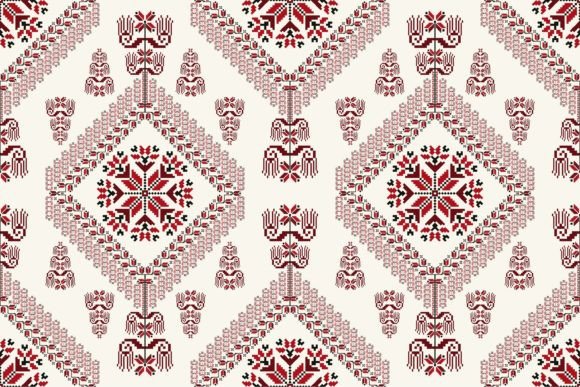
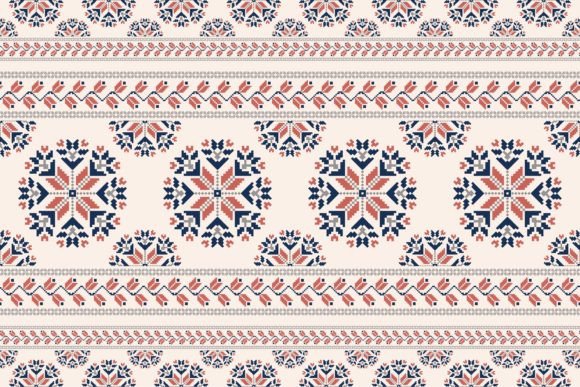
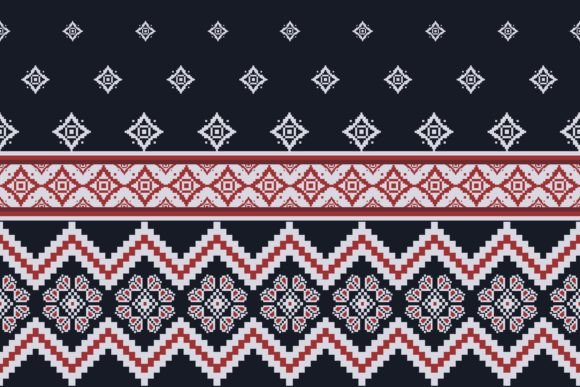
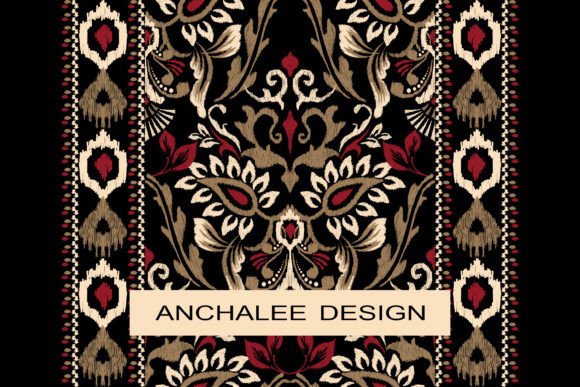
This is not just another generic floral motif. The design features an Arabesque Ikat floral pattern set against a black background, blending ethnic oriental influences with Aztec-style abstract elements. For those of us in the craft business, finding designs that stand out in a saturated market is crucial. Here is my practical assessment of how this graphic performs when moved from the digital realm into tangible, stitched reality.
First Impressions and Visual Mood
The immediate impact of Carpet Pattern Craft ‘Embroidery is one of sophisticated depth. The interplay between the intricate Ikat patterns and the stark black background creates a mood that is both modern and timeless. It does not scream for attention like neon colors might; instead, it invites closer inspection. The abstract background provides texture without overwhelming the primary floral motifs, making it an excellent candidate for projects where subtlety is key.
From a Graphics perspective, the vector illustration quality suggests clean lines, which is promising for digitization. However, as embroiderers, we know that what looks good on a screen does not always stitch out well. The complexity of the Arabesque lines requires precise digitizing to maintain clarity. My initial review suggests that this design relies heavily on the balance between fill stitch areas and open space. If the density is too high, the fabric will pucker; if it is too low, the underlying material might show through unintentionally.
Real-World Application: The Tote Bag Test
To truly understand the value of this design, I imagined a specific real-life scenario. Suppose I am preparing a custom order for a boutique client who wants a line of eco-friendly tote bags. These are not cheap promotional items but high-end, canvas-heavy bags meant for daily use by professionals who appreciate artisanal details.
In this context, Carpet Pattern Craft ‘Embroidery shines. The ethnic oriental embroidery style aligns perfectly with the current trend toward global-inspired, bohemian aesthetics. Stitching this onto a natural cotton or hemp canvas would create a striking contrast. The black background of the design would need to be handled carefully. If the design includes a solid black fill, it could become stiff. A smarter approach might be to use the black background as the fabric color itself, allowing the Ikat patterns to be stitched in contrasting thread colors. This reduces stitch density and keeps the handmade product flexible and durable.
For an Etsy seller, this kind of thoughtful application increases perceived value. Customers are not just buying a bag; they are buying a piece of art. The abstract nature of the Aztec-style elements ensures that no two stitches look exactly alike, adding to the charm of a personalized gift.
Versatility Across Product Lines
Beyond tote bags, this design has significant potential across various categories. For custom apparel, such as a dark-colored sweatshirt or a denim jacket, the pattern can serve as a large back print or a subtle chest pocket accent. The key here is scale. On a large garment, the intricate details of the Ikat pattern can be fully appreciated. On smaller items, like a baby embroidery project or a cap, the design might need to be simplified or reduced significantly to avoid losing definition.
Consider holiday embroidery or wedding gifts. The sophisticated tone of this pattern makes it suitable for formal occasions. Imagine it stitched onto a silk scarf or a linen napkin set. The ethnic flair adds a unique touch that mass-produced prints cannot replicate. For commercial embroidery projects, such as branding for a spa or a yoga studio, the calming, organic feel of the floral and abstract elements reinforces a brand identity centered on wellness and balance.
However, caution is needed with certain fabrics. Textured fabrics can hide fine details, while stretchy fabrics may distort the geometric precision of the Aztec-style lines. Always test on scrap fabric first. If you are working with thin fabric, a high-quality stabilizer is non-negotiable to prevent puckering, especially given the potentially dense nature of the pattern.
Technical Considerations for Embroiderers
Before committing to a full production run, there are several technical aspects to verify. Since the product description mentions it is a vector illustration, you must ensure that the embroidery file you purchase is properly digitized for your specific machine. Check the recommended hoop size to ensure the design fits your equipment. If the design is large, you may need to split it or use a larger hoop, which affects registration accuracy.
Thread color selection is critical. While the design features a black background, you do not necessarily need to stitch black thread on black fabric unless you want a tonal, textured effect. Experiment with metallic threads for the Ikat elements to add luxury, or matte cotton threads for a rustic look. Review the stitch types used. A mix of satin stitch for borders and running stitch for fine details can enhance clarity. Avoid excessive fill stitch in small areas to maintain softness.
For those creating printable mockup assets or digital previews, ensure that the lighting in your photos captures the texture of the stitches. Flat lighting can make embroidery look like printing, which devalues the finished product. Show the dimensionality of the thread to build customer trust.
Final Verdict for Designers and Makers
Carpet Pattern Craft ‘Embroidery is a strong contender for designers looking to expand their design assets with something culturally rich and visually complex. It is not a beginner-friendly design due to its intricacy, but for experienced makers, it offers a rewarding challenge. It fits seamlessly into the Patterns category for those who appreciate detailed, narrative-driven visuals.
Remember to confirm licensing terms before selling finished items. Whether you are creating a tote bag design for a local market or an embroidered patch for online sales, understanding the rights associated with the digital embroidery file is essential. With proper testing and thoughtful material selection, this design can elevate your small shop product lineup, offering customers a unique, high-quality item that stands out in a crowded marketplace. It is a reminder that in embroidery, as in life, the beauty lies in the details.