Review: Little Orange Robot Embroidery for Makers
As an embroidery designer who spends countless hours digitizing and testing files, I have learned that not every machine embroidery design is created equal. Some are visually stunning on a screen but fail under the needle, while others offer a perfect balance of charm and technical stability. Recently, I came across the Little Orange Robot Embroidery on Creative Fabrica, and it immediately caught my eye. With its vintage aesthetic and warm color palette, it promised to be more than just another cute graphic. I decided to evaluate this file not just as a digital asset, but as a potential cornerstone for real-world commercial projects.
First Impressions and Visual Appeal
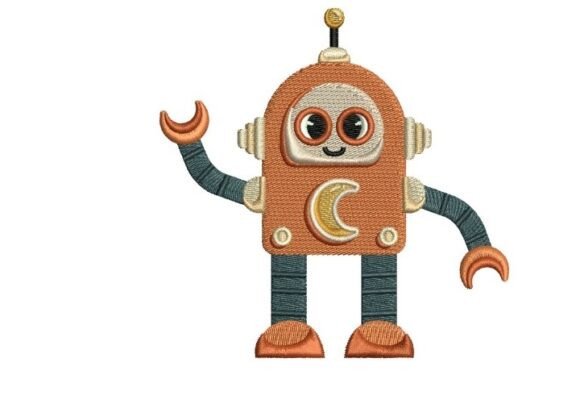
The first thing that strikes you about the Little Orange Robot Embroidery is its mood. It exudes a friendly, nostalgic vibe that feels both modern and retro. The design features a charming robot with a crescent moon emblem on its chest, rendered in warm orange and gold tones. These colors are not only trendy but also highly versatile for various fabric backgrounds. The playful waving arms add a dynamic element that prevents the design from looking static or stiff.
For those of us who sell handmade products, visual appeal is everything. This design fits seamlessly into the Toys category while transcending it. It is not limited to children’s items; its vintage style makes it suitable for adult apparel and home decor as well. The level of detail suggests a thoughtful approach to digitizing, balancing solid areas with open spaces to maintain texture without excessive bulk.
Performance in Real-World Projects
When considering a new embroidery file, I always ask myself: where does this belong? The Little Orange Robot Embroidery is remarkably adaptable. Here is how I envision it performing across different product lines:
- Custom Apparel: The warm tones pop beautifully against navy, charcoal, or cream-colored sweatshirts. It works equally well on t-shirts, provided the stitch density is managed correctly to prevent puckering.
- Tote Bag Design: Canvas bags are a staple for craft fairs. This robot adds a whimsical touch that appeals to book lovers and eco-conscious shoppers alike.
- Nursery Decor: While it fits the Toys theme, it is subtle enough for sophisticated nursery pillows or baby blankets, offering a gender-neutral option that parents appreciate.
- Embroidered Patch: The defined edges make it an excellent candidate for iron-on patches, which are high-margin items for online shops.
For Etsy sellers and boutique owners, this design offers a unique selling point. It is distinct enough to stand out in a crowded marketplace but familiar enough to feel comforting. Using it in commercial embroidery projects can help build brand consistency if you specialize in whimsical or vintage-inspired goods.
Technical Considerations for Stitching
While the design is charming, technical execution is crucial for a professional finished product. Here are some practical notes based on typical challenges with similar designs:
Fabric and Stabilizer Choices
The interplay of satin stitch and fill stitch in this robot design requires careful attention to stabilizer selection. For stretchy fabrics like jersey or fleece, a cut-away stabilizer is essential to support the weight of the stitches and prevent distortion. On woven fabrics like cotton twill or canvas, a tear-away may suffice, but always test first. The warm orange and gold thread colors will look vibrant, but ensure your thread colors have enough contrast against the fabric. Dark fabrics may require an underlay or a lighter backing to prevent the base color from showing through the stitches.
Hoop Size and Placement
Before loading the digital embroidery file, confirm the hoop size required. Smaller hoops might limit your placement options, especially on curved surfaces like caps. If you plan to use this on hats, consider the curvature of the brim and crown. A design with wide, sweeping elements like waving arms needs a flat surface to stitch out cleanly. If the hoop is too small, you might need to resize the design, which can affect stitch density and detail clarity.
Detail and Density
Pay close attention to the small details, such as the crescent moon emblem and the robot’s facial features. Tiny elements can get lost if the stitch count is too high or if the thread thickness is not appropriate. I recommend using a finer needle and high-quality polyester thread to capture these nuances. Always inspect the small details after stitching a test sample. If the satin stitches are too long, they may snag; if they are too dense, the fabric may pucker.
Enhancing Product Value and Buyer Trust
Incorporating the Little Orange Robot Embroidery into your product line can significantly enhance perceived value. A well-executed embroidery project signals quality and care. For customers, a personalized gift featuring this character feels special and thoughtful. It transforms a basic item, like a plain apron or kitchen towel, into a cherished keepsake.
Moreover, consistent use of high-quality design assets helps build trust. When customers see clean, professional stitching, they are more likely to return. This design’s versatility allows for creative marketing. You can create printable mockup images showing the robot on various items, helping customers visualize the final product. This visual storytelling is key to driving engagement on social media and increasing conversion rates on your shop.
Practical Steps Before You Sell
Before launching any new product featuring this design, follow these steps to ensure success:
- Test on Scrap Fabric: Always stitch out a sample on the same type of fabric you intend to sell. This reveals any issues with tension or registration.
- Check File Details: Visit the Creative Fabrica product page to confirm the included formats and license terms. Ensure the file is compatible with your specific machine.
- Review Licensing: Understand the commercial use rights. Most Creative Fabrica designs allow for physical sales, but always double-check to protect your business.
- Mockup Comparison: Create mockups on both light and dark fabrics to see how the orange and gold tones perform. This helps in deciding which inventory to stock.
- Wash Testing: If the item is meant for frequent washing, such as a baby blanket or kitchen towel, wash the test sample to check for thread bleeding or fabric distortion.
The Little Orange Robot Embroidery is a delightful addition to any designer’s library. It bridges the gap between playful charm and professional quality, making it a smart choice for a wide range of handmade product lines. By paying attention to technical details and leveraging its visual appeal, you can create items that not only sell well but also bring joy to your customers. Whether you are decorating custom apparel or creating unique home decor, this design offers the flexibility and character needed to stand out in today’s creative market.