Review: Little Green Robot Embroidery for Makers
As an embroidery designer who spends hours digitizing and testing files, I am always cautious about what I download for client work. When I stumbled upon Little Green Robot Embroidery on Creative Fabrica, it caught my eye immediately. It is not just another generic clipart conversion; it has a distinct personality. For those of us running small businesses or selling handmade goods, finding a design that balances cuteness with technical reliability is crucial. This review breaks down how this retro-style robot performs in real-world applications, from baby blankets to custom apparel.
First Impressions and Visual Appeal
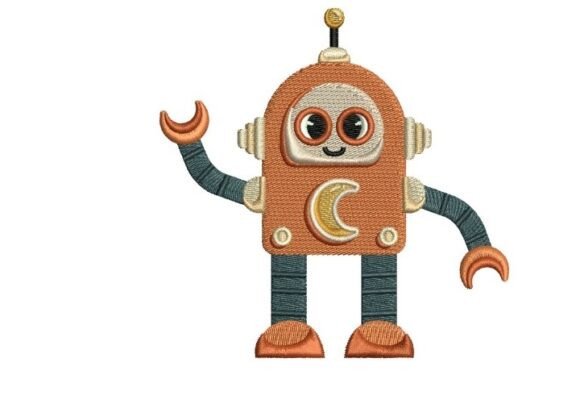
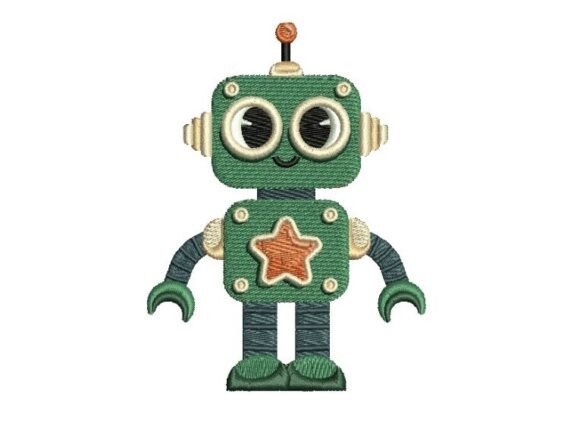
The first thing you notice about the Little Green Robot Embroidery is its charming, nostalgic vibe. The character features big round eyes and a cheerful expression that instantly communicates warmth. The standout star emblem on its chest adds a focal point that draws the viewer in. Visually, the design leans heavily into a vibrant green and gold color palette, which is excellent for creating high-contrast pieces.
For embroidery designers, the aesthetic matters as much as the stitch path. This design fits perfectly within the Toys category but transcends it by working well on lifestyle items. The clean lines and playful demeanor make it an ideal candidate for projects targeting children, tech enthusiasts, or anyone who appreciates retro futurism. It does not feel cluttered, which is a common pitfall in complex machine embroidery designs.
Performance on Real Projects
I evaluated this file with several potential commercial products in mind. Here is how Little Green Robot Embroidery holds up across different mediums:
- Custom Apparel: The design scales well for sweatshirt embroidery. On a heather grey or navy hoodie, the green and gold threads pop beautifully. It is small enough to sit on the left chest without overwhelming the garment, yet detailed enough to be noticed.
- Tote Bags and Aprons: For a tote bag design, this robot adds a whimsical touch. Since canvas is a stable fabric, the stitch density should hold up well without puckering, provided you use the right stabilizer.
- Baby Items and Nursery Decor: This is arguably the strongest use case. The soft, friendly face makes it perfect for baby blankets or pillow covers. Parents love personalized gifts that feel safe and joyful, and this robot delivers that emotional connection.
- Embroidered Patches: If you are making merchandise for craft fairs, turning this into an iron-on patch is a smart move. It allows customers to add the design to their own jackets or bags later, increasing the versatility of your finished product.
Technical Considerations for Stitching
While the visual appeal is strong, we must discuss the technical execution. As a professional, I always advise checking the specific file details on the Creative Fabrica product page before purchasing, as stitch count and format compatibility vary. However, based on the visual complexity, here are some practical notes:
Stitch Density and Texture: The robot’s body likely utilizes a combination of fill stitch for the main green areas and satin stitch for outlines or the star emblem. You must ensure your machine is calibrated for these transitions. If the density is too high for lightweight fabric, you may experience stiffness. Always test on scrap fabric first.
Fabric Choices: This design works best on stable woven fabrics like cotton twill, denim, or canvas. If you are attempting sweatshirt embroidery on fleece, use a cut-away stabilizer to prevent the design from sinking into the pile. For stretchy fabrics, avoid placing the design over seams where distortion is likely.
Color Contrast: The vibrant green and gold scheme requires careful thread selection. On dark fabrics, ensure your gold thread has enough metallic sheen to stand out. On light fabrics, check that the green is saturated enough to not look washed out. I recommend comparing light and dark fabric mockups before committing to a large batch.
Hoop Size Constraints: Depending on the included sizes, this might fit in a 4x4 or 5x7 hoop. If you are stitching on curved surfaces like caps, ensure the design width fits within the cap frame’s usable area. Tiny details, such as the robot’s eyes, need sufficient stitch count to remain clear after trimming jump stitches.
Boosting Product Value and Brand Trust
Using high-quality assets like Little Green Robot Embroidery can significantly impact your brand perception. In the world of Etsy sellers and boutique merchandise, consistency is key. A well-executed embroidered item signals quality control. When customers see clean satin stitches and no thread breaks, their trust in your handmade product increases.
Furthermore, this design is highly "giftability" focused. It appeals to buyers looking for unique, non-mass-produced items. Whether it is a kitchen towel for a housewarming gift or a cap for a birthday present, the playful nature of the robot encourages impulse buys. From a marketing perspective, it photographs well. The distinct shapes and colors create striking images for social media, helping to drive customer engagement.
Practical Tips for Commercial Use
If you plan to sell items made with this digital embroidery file, keep these steps in mind:
- Verify Licensing: Always read the license terms on the Creative Fabrica product page. Most designs allow for commercial use of finished physical products, but rules regarding digital resale differ.
- Test Stitch-Outs: Never run a full production batch without a test. Check for thread breaks, especially in the dense green areas. Inspect small details like the eyes to ensure they are not merging.
- Optimize Stabilizer: Use a tear-away stabilizer for stable fabrics and cut-away for knits. Proper stabilization prevents distortion and ensures the robot looks crisp, not warped.
- Mockup Presentation: Create printable mockups or digital previews showing the design on various items. This helps customers visualize the final product, whether it is a tote bag or a nursery wall hanging.
Final Verdict
The Little Green Robot Embroidery is a solid addition to any designer’s library. It bridges the gap between playful Toys aesthetics and functional Embroidery application. Its retro charm and versatile color scheme make it suitable for a wide range of commercial embroidery projects, from baby showers to casual streetwear. While you must pay attention to stitch density and fabric choice, the potential for creating high-value, engaging handmade products is significant. For creative entrepreneurs looking to expand their catalog with something fresh and friendly, this design is worth considering.