Wildflowers Digital Embroidery Design Review
As an embroidery designer who has spent years digitizing files for small businesses and boutique brands, I approach every new machine embroidery design with a critical eye. It is not enough for a file to look pretty on a screen; it must perform under the needle, withstand washing, and elevate the brand identity of the client using it. Today, I am reviewing the Wildflowers Digital Embroidery Design, a piece categorized under Single Flowers within the broader Embroidery market. This review focuses on its viability for commercial use, specifically for branded patches, uniforms, and handmade merchandise.
First Impressions: Visual Personality and Brand Fit
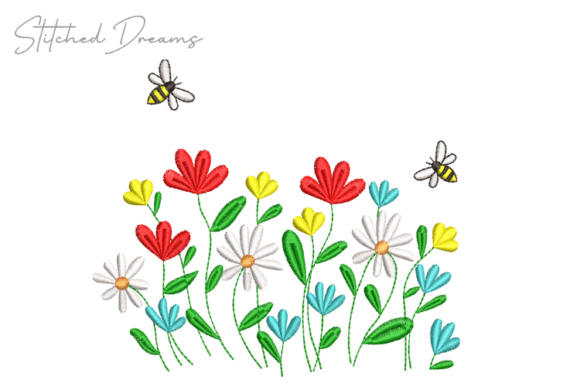
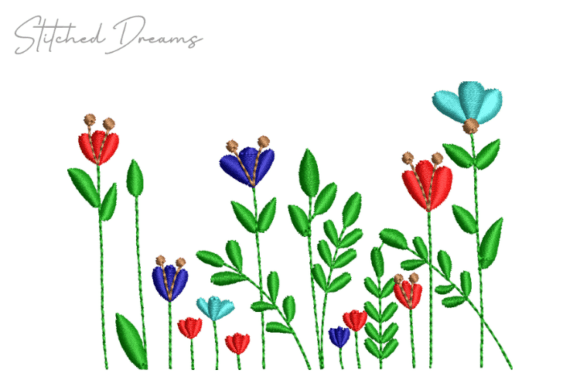
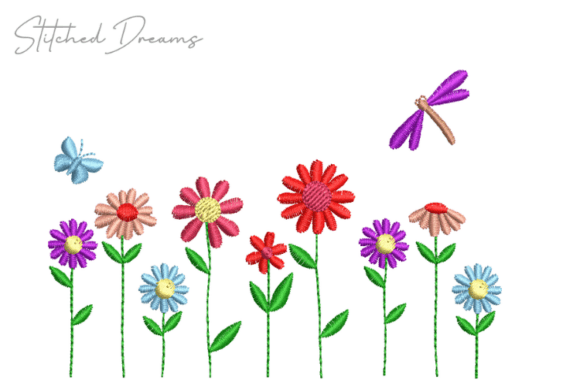
The product description promises to "bring the beauty of nature to your projects," featuring a delightful arrangement that captures the charm of a sunny meadow. Upon initial inspection, the design feels inherently friendly, rustic, and decorative. It does not scream corporate rigidity; instead, it offers a soft, organic aesthetic that aligns perfectly with businesses aiming for a handmade, approachable, or eco-conscious vibe. For a florist, a boutique bakery, or a local creative studio, this visual language speaks directly to their target audience. It suggests warmth and care, which are crucial emotional triggers for customer trust in small business merch.
Commercial Applications for Small Business Merch
When evaluating a digital embroidery file for business use, I always ask: where does this add value? The Wildflowers motif is versatile enough to serve multiple roles in a product line. Here is how I envision this design performing in real-world scenarios:
- Embroidered Patches: This is perhaps the strongest application. A wildflower cluster makes for a charming iron-on or sew-on patch. It can be applied to denim jackets, canvas tote bags, or even laptop sleeves as a branded accent.
- Staff Uniforms and Aprons: For cafes and bakeries, apron embroidery is a subtle yet powerful branding tool. Placing this design on the chest pocket or lower corner of an apron adds a touch of elegance without overwhelming the uniform. It signals attention to detail.
- Cap Embroidery: While floral designs can be tricky on curved surfaces, a simplified version of this meadow arrangement could work beautifully on the side panel of a dad hat or beanie, offering a unique alternative to standard text logos.
- Tote Bag Design: Canvas totes are a staple for Etsy sellers and craft fairs. A central wildflower motif transforms a plain bag into a desirable handmade product, increasing its perceived value and justifying a higher price point.
Technical Considerations and Production Challenges
While the aesthetic appeal is high, technical execution is where many designs fail. As a designer, I have specific concerns regarding stitch density and detail retention. Wildflower arrangements often involve fine stems and small petals. If the digitizing is too dense, the fabric may pucker, especially on lighter materials like cotton tees or linen aprons. Conversely, if the density is too low, the design may lack definition and look sparse after washing.
Another critical factor is thread colors. Nature-inspired designs rely heavily on color gradients and contrast. To ensure the design pops, you must test it on various fabric backgrounds. On dark uniforms, such as navy or black staff shirts, the original color palette may get lost. You might need to create a high-contrast version using lighter thread shades or add a white underlay to make the flowers stand out. Always check the spacing between elements; tight clusters can cause thread breaks or bird nesting if the machine tension is not perfectly calibrated.
Strategic Placement and Size Limitations
Not every item is suitable for this specific design. I advise caution when using this file for very small applications. If you attempt to shrink this wildflower arrangement to fit a tiny label or a small chest logo on a polo shirt, the intricate details may merge into a blob. Before committing to a large production run, you must confirm the minimum viable hoop size. Test the design at its smallest intended scale on a scrap piece of the actual fabric you plan to use. If the stems disappear or the petals lose their shape, the design is too complex for that size.
Additionally, consider the fabric texture. Highly textured fabrics like thick wool or terry cloth can obscure fine embroidery details. For these materials, a bolder, simpler version of the design would be more effective. For smooth fabrics like twill or poplin, this design should render cleanly, provided you use the correct stabilizer. A cut-away stabilizer is often recommended for garments that will undergo frequent washing, ensuring the design remains stable and does not distort over time.
Enhancing Brand Identity and Customer Engagement
In the world of commercial embroidery, consistency is key. Using the Wildflowers Digital Embroidery Design across various touchpoints creates a cohesive brand narrative. Imagine a customer receiving a package with a tote bag featuring this flower, wearing a cap with a matching accent, and seeing the same motif on your social media printable mockup. This visual consistency builds recognition and professionalism. It tells the customer that your brand is thoughtful and curated.
Furthermore, embroidered items have a tactile quality that printed graphics lack. The raised texture of the stitches invites touch, creating a deeper sensory connection with the finished product. For Etsy sellers and crafters, this tangible quality can lead to higher customer satisfaction and repeat business. It elevates simple custom apparel into collectible keepsakes.
Practical Designer Notes for Implementation
Before you purchase and produce, follow these steps to ensure success:
- Test in Black and White: Convert the design to grayscale in your software to check for contrast issues. If it looks muddy in black and white, it may lack definition in color.
- Verify File Details: The product description does not specify exact stitch counts, file formats, or license terms. Always check these details before buying. Ensure the file format is compatible with your machine (e.g., PES, DST, JEF) and that the license permits commercial use for selling physical goods.
- Create a Mockup: Use digital tools to place the design on photos of your actual products. This helps visualize scale and placement before stitching a single thread.
- Check Commercial Licensing: Confirm that the design assets come with a commercial license. Some designers restrict the number of units you can sell or require attribution.
- Compare with Existing Assets: Place this design beside your current logo and other graphics. Does it complement your existing visual identity, or does it clash? Consistency matters.
In conclusion, the Wildflowers Digital Embroidery Design holds significant potential for small businesses looking to add a touch of natural elegance to their merchandise. It is best suited for medium-to-large applications on smooth fabrics, such as patches, totes, and aprons. By paying close attention to technical details like stabilizer choice, thread contrast, and hoop size, you can transform this digital file into a powerful tool for brand building. Remember, the goal is not just decoration, but creating a lasting impression through quality embroidery file execution.