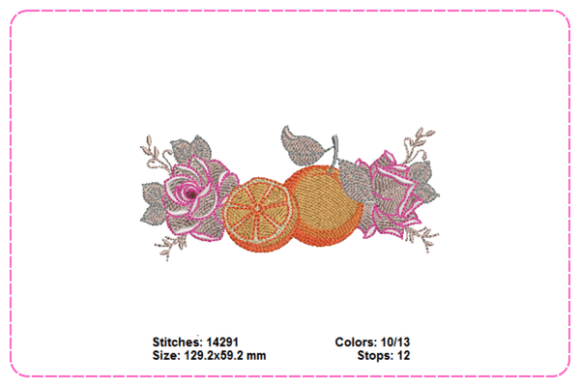
Reviewing the Mangosteen Fruit Embroidery Design
As a designer who has spent years digitizing and testing machine embroidery design files for clients, I approach every new asset with a critical eye. It is not enough for a motif to look cute on a screen; it must hold up under the needle, survive the wash cycle, and appeal to the end buyer. Recently, I evaluated the Mangosteen Fruit Embroidery Design, a vibrant piece that promises to bring a tropical flair to various textiles. Here is my practical assessment of how this design performs in real-world embroidery project scenarios.
First Impressions and Visual Appeal
The immediate impact of the Mangosteen Fruit Embroidery Design is its cheerful, organic energy. The shape is distinct, capturing the unique roundness and leafy crown of the fruit without becoming overly complex. For those of us in the craft business, visual clarity is paramount. This design avoids the clutter that often plagues digital assets, offering a clean layout that reads well from a distance. The color palette suggested by the preview is lush, relying on deep purples and fresh greens that contrast beautifully against neutral backgrounds.
This visual personality makes it an excellent candidate for home decor items where a pop of color is needed. It feels less like a generic clipart insertion and more like a deliberate artistic choice. When considering design assets for a boutique collection, this level of thematic consistency helps build brand recognition. It signals to customers that the creator cares about aesthetic cohesion, which is vital for maintaining trust in handmade markets.
Real-World Application: The Custom Tote Bag Test
To truly understand the utility of this file, I imagined applying it to a standard canvas tote bag, a staple for any Etsy seller. The Mangosteen Fruit Embroidery Design sits comfortably on the flat surface of a tote, allowing the details of the fruit’s texture to shine. In this context, the design acts as a focal point. It transforms a plain utility item into a personalized gift or a stylish accessory for grocery runs and beach days.
The versatility extends beyond bags. I can easily see this motif working on sweatshirt embroidery, placed subtly on the chest or boldly across the back. For custom apparel, the organic curves of the fruit complement the soft drape of cotton blends. It also fits seamlessly into kitchen textiles. Imagine a set of tea towels featuring this fruit; it adds a whimsical, Food-themed touch that appeals to home cooks and hosts. The design’s adaptability means it is not limited to one niche, making it a valuable addition to a diverse product line.
Considerations for Fabric and Technique
While the design is described as suitable for any fabric, experienced makers know that material choice dictates success. On smooth, tightly woven fabrics like cotton or linen, the stitch density should appear balanced, providing good coverage without puckering. However, when working with textured fabrics or stretchy materials, extra care is required. Using the correct stabilizer is non-negotiable here. A cut-away stabilizer might be necessary for knits to prevent distortion, while a tear-away could suffice for stable wovens.
For baby embroidery projects, such as onesies or bibs, comfort is key. If the design uses dense fill stitch areas, ensure the backing is trimmed close and soft so it does not irritate sensitive skin. On darker fabrics, the vibrancy of the thread colors will pop, but you must ensure there is enough contrast between the purple hues of the mangosteen and the background material. Testing on scrap fabric is always the best practice to verify that the satins stitch edges remain crisp and do not blend into the textile.
Navigating Technical Constraints
One must be mindful of where this design is placed. While it is versatile, it may face challenges on curved surfaces like caps if the hoop size is too small relative to the design dimensions. Always check the specific hoop size requirements before loading the embroidery file into your machine. If the design includes fine details, such as tiny leaves or intricate outlines using running stitch, these elements might get lost on thick, plush fabrics like terry cloth towels unless the stitch length is adjusted.
Additionally, consider the washing frequency of the final product. Items like aprons or kitchen towels undergo rigorous cleaning. Ensure that the thread quality used matches the durability needed for the item. A high-sheen rayon thread might look stunning on a decorative pillow but could fray faster on a frequently washed towel compared to polyester. This attention to detail separates amateur attempts from professional commercial embroidery standards.
Enhancing Product Value and Buyer Engagement
Incorporating the Mangosteen Fruit Embroidery Design into your lineup can significantly enhance perceived value. Customers are drawn to unique, handcrafted details that mass-produced items lack. Whether you are creating an embroidered patch for jackets or a standalone motif on a cushion cover, the uniqueness of the subject matter sets your work apart. It invites curiosity and conversation, which drives engagement on social media and in physical craft fairs.
For digital embroidery file sellers, offering this design as part of a tropical or fruit-themed bundle can increase average order value. It serves as a strong printable mockup subject because its colors translate well in digital previews, helping potential buyers visualize the finished product. However, always clarify licensing terms. If you are selling physical items made with this design, ensure your license permits commercial use. If you are reselling the digital file, confirm that you have the appropriate rights to distribute it.
Final Verdict for Makers
The Mangosteen Fruit Embroidery Design is a solid choice for designers looking to add a fresh, natural element to their repertoire. It balances aesthetic charm with technical feasibility, provided the maker respects the nuances of fabric and stabilization. It is not just a pretty picture; it is a functional design element that can elevate small shop product offerings. By testing it on various materials and adjusting settings for optimal stitch quality, you can create items that are both beautiful and durable. This design earns its place in the toolkit of serious handmade product creators who value quality and versatility.