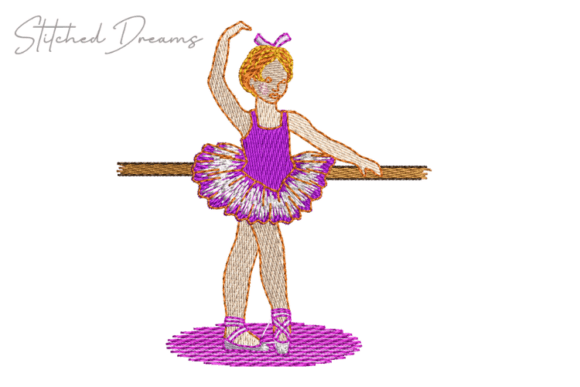
Reviewing the Ballerina Digital Embroidery Design
As an embroidery designer who has spent years digitizing files for small businesses and boutique brands, I approach every new machine embroidery design with a critical eye. It is not enough for a file to look pretty on a screen; it must perform under the needle, withstand washing, and elevate the brand it represents. Recently, I evaluated the Ballerina Digital Embroidery Design to determine its viability for commercial use. While the product category lists this under Boys and the type as Embroidery, the description emphasizes grace, elegance, and charm. This juxtaposition requires a careful review to understand where this asset truly shines in a professional setting.
First Impressions and Visual Personality
The initial visual impact of the Ballerina Digital Embroidery Design is one of refined movement. The description notes a beautifully poised ballerina mid-dance, which suggests a focus on line work and silhouette rather than heavy fill stitches. For a business owner, this is crucial. Heavy fills can make garments stiff and uncomfortable, whereas a design focused on poise and outline tends to drape better on fabric. The aesthetic feels decorative and elegant, leaning towards a classic or handmade presentation rather than a bold, modern industrial look. This makes it an excellent candidate for brands that want to convey softness, creativity, or artistic flair.
When considering the target audience, the categorization under Boys might seem unexpected given the traditional association of ballet with feminine aesthetics. However, in contemporary custom apparel, breaking gender norms is a powerful branding tool. A dance studio, a progressive children’s boutique, or an art-focused educational brand could use this design to signal inclusivity and grace regardless of gender. The key is how you position it within your brand identity.
Real-World Applications for Small Business Merch
For Etsy sellers and merch creators, versatility is king. I tested the concept of this design across several common small business merch items. Here is how the Ballerina Digital Embroidery Design performs in specific scenarios:
- Embroidered Patches: This is perhaps the strongest use case. A patch allows for precise control over the background fabric and stabilizer. The poised figure would look striking on a felt or twill backing, creating a premium accessory that customers can pin onto jackets or bags.
- Tote Bag Design: Canvas tote bags are a staple for boutiques and bakeries. The elegance of the ballerina adds a touch of sophistication to a utilitarian item. Ensure the thread colors contrast well against natural canvas for maximum visibility.
- Apron Embroidery: For florists, bakers, or creative studios, branded aprons are essential. Placing this design on the chest pocket or lower corner of an apron adds a professional, artisanal touch without overwhelming the garment.
- Cap Embroidery: Using this on caps requires caution. The curved surface of a cap front can distort detailed outlines. If used here, it should be simplified or resized significantly to fit the limited hoop area.
In each of these applications, the design serves as more than just decoration; it acts as a seal of quality. When customers see a well-executed digital embroidery file on a product, it increases perceived value and trust in the handmade product.
Technical Considerations and Production Risks
While the aesthetic appeal is high, technical execution determines whether a project succeeds or fails. As a designer, I always advise checking the specifics of the embroidery file before running a production batch. Since the provided description does not include exact stitch count, file format, or recommended hoop size, you must verify these details with the seller. Here are the critical technical factors to evaluate:
- Stitch Density: Designs featuring fine lines and poised figures often rely on satin stitches or running stitches. If the density is too low, the fabric may show through. If too high, the fabric may pucker. Always test on the actual fabric you intend to use.
- Fabric Texture: Textured fabrics like terry cloth or heavy denim can swallow up fine details. The Ballerina Digital Embroidery Design may lose its elegance if the outlines get lost in the pile of a towel or the weave of a rough canvas. Smooth cottons, polyesters, and twills are safer bets.
- Stabilizer Selection: For items that need frequent washing, such as staff uniforms or children’s clothing, using the correct stabilizer is non-negotiable. A cut-away stabilizer is often best for stretchy fabrics, while tear-away works for stable wovens. Poor stabilization will cause the design to shift or distort over time.
- Size Limitations: Do not assume this design scales infinitely. Reducing it too much for a small patch or tiny lettering accent can cause thread breaks and loss of detail. Always create a printable mockup at actual size to check readability.
Enhancing Brand Identity and Customer Trust
In the world of commercial embroidery, consistency is vital. The Ballerina Digital Embroidery Design can be a powerful tool for visual consistency if it aligns with your brand’s voice. For a dance academy, it reinforces core values. For a boutique selling curated goods, it adds a layer of artistic credibility. When used on customer gifts or event merch, it transforms a simple item into a keepsake.
However, context matters. If your brand is rugged, industrial, or ultra-minimalist, this decorative design might clash. Ensure it complements your other design assets. For example, if your logo is bold and blocky, pairing it with a delicate ballerina might create visual dissonance unless carefully balanced with spacing and color choices.
Practical Designer Notes for Implementation
Before you commit to a large run of custom apparel or branded patches, follow these steps to ensure quality:
- Test in Black and White: Remove color from the equation to check if the shape and line work stand out clearly. If the design relies solely on color contrast to be visible, it may fail on monochrome uniforms.
- Check Thread Color Contrast: Select thread colors that pop against your base fabric. A light grey thread on a white shirt will render the elegant ballerina invisible.
- Confirm Commercial Licensing: Never assume a digital embroidery file includes commercial rights. Read the license terms carefully. Some designers allow unlimited sales, while others require an extended license for mass production.
- Create Client Mockups: If you are producing this for a client, show them a realistic mockup on the specific garment type. This manages expectations regarding size and placement.
In conclusion, the Ballerina Digital Embroidery Design offers a blend of grace and professionalism that can elevate various handmade product lines. Whether used for apron embroidery in a chic café or as a standout feature on a tote bag, its success depends on technical precision and strategic placement. By respecting the limitations of hoop size, fabric texture, and stitch density, small business owners can leverage this design to create memorable, high-quality merchandise that resonates with their audience. Always prioritize testing and verification to ensure the finished product meets the high standards your brand promises.