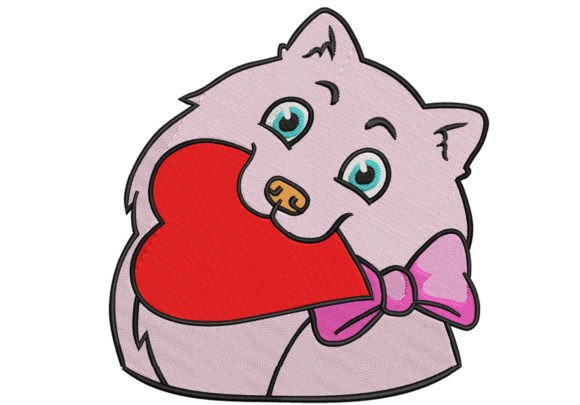
Review: Puppy Love Valentine Embroidery for Craft Fairs
As an embroidery designer who has spent countless hours hooping, stitching, and troubleshooting at weekend markets, I know that not every digital file translates into a bestseller. When I first loaded the Puppy Love Valentine Embroidery design into my software, I was looking for more than just cute aesthetics. I was evaluating its potential as a high-converting craft fair product. The premise is simple yet powerful: celebrating the season of love with an adorable twist on canine companionship. For those of us running small shops or Etsy stores, this type of thematic, emotionally resonant imagery is exactly what stops browsers in their tracks.
First Impressions and Market Appeal
The immediate vibe of this design is warm, approachable, and undeniably charming. It does not try to be overly complex or abstract. Instead, it leans into the "aww" factor that drives impulse buys during holiday seasons. In a crowded booth, clarity is king. A customer walking past your table has only seconds to register what you are selling. This design communicates its message instantly. It feels festive without being cluttered, making it a versatile asset for any handmade product line targeting dog lovers.
For Etsy sellers and boutique makers, the visual appeal here is critical. The design captures the essence of Valentine’s Day but broadens the audience beyond romantic couples to include pet parents. This expansion of the target demographic is a smart business move. Whether you are aiming for a rustic farmhouse look or a modern minimalist aesthetic, the adaptability of this motif allows it to fit various brand identities.
Product Versatility and Placement
To truly test the viability of this machine embroidery design, I mentally placed it on several standard market items. Here is how it performs across different mediums:
- Tote Bags: As a tote bag design, this motif works beautifully as a central focal point. Canvas provides a stable surface that highlights the stitch definition. It turns a generic bag into a statement piece for dog walks or grocery runs.
- Aprons and Kitchen Textiles: For apron embroidery or tea towel embroidery, the design adds a personal touch that mass-produced items lack. However, placement is key. On a tea towel, ensure the design is scaled down slightly to maintain proportion and avoid overwhelming the fabric's weave.
- Embroidered Patches: This is perhaps the strongest application. An embroidered patch featuring this design can be sold individually or used to embellish denim jackets and hats. Patches are low-commitment purchases for customers, making them excellent add-on items at checkout.
- Caps and Headwear: Curved surfaces are tricky. If you plan to stitch this on caps, you must adjust the density. The design needs to be simplified or resized to prevent puckering on the structured front panel.
Production Practicalities for Small Shops
From a production standpoint, repeatability is essential for a small shop product. You do not want a design that requires constant trimming or extensive cleanup. When reviewing the digital embroidery file, pay close attention to the stitch density. High-density areas can cause needle breaks or fabric distortion, especially on thinner materials like cotton blends used in pillow covers or market bags.
I recommend testing the design on scrap fabric before committing to a full batch. Check how the thread colors interact with your chosen fabric. Contrast is vital; if you are stitching on dark fabric, ensure you have bright, opaque threads planned. Conversely, on light fabrics, subtle shading can add depth. Always use the appropriate stabilizer to support the stitches, particularly if the design includes fine details that might pull or distort without proper backing.
Navigating Fabric Texture and Size Constraints
One common pitfall with detailed designs is losing clarity at smaller sizes. If you intend to use this on small pouches or as a pocket accent, verify that the smallest elements remain distinct. Tiny lettering or intricate facial features can merge into a blob if the scale is too small relative to the thread thickness. Always check the recommended hoop size provided with the file. If the design is optimized for a 4x4 hoop, do not attempt to shrink it significantly for a 2x2 application without re-digitizing or simplifying.
Fabric texture also plays a role. Textured towels or thick denim may hide fine stitch work. In these cases, bold outlines and solid fills perform better than delicate satin stitches. Evaluate whether the design relies on subtle gradients or bold blocks of color. Bold blocks generally translate better across varied fabric textures and are more forgiving in a high-volume production environment.
Enhancing Visual Appeal and Brand Consistency
Beyond the stitching, consider how this design supports your overall brand. Does it align with your existing design assets? Consistency builds trust. If your booth features cohesive color palettes and themes, adding this Valentine-themed item should feel like a natural extension of your collection, not an outlier. Use the design to create eye-catching booth samples. A well-stitched sample on a high-quality item serves as proof of your craftsmanship and encourages buyers to imagine the product in their own homes.
For online listings, a printable mockup can help visualize the final look, but nothing beats photos of the actual finished product. Photograph the embroidery in natural light to show the sheen of the threads and the texture of the stitches. Highlight the quality of the backside as well, as discerning buyers often check for neatness underneath.
Final Designer Notes and Licensing
Before launching this as a commercial embroidery product, confirm the licensing terms. Ensure you have the right to sell finished items made with this embroidery file. Most designers provide commercial licenses, but it is crucial to read the specific agreement. Additionally, double-check the file formats included. Ensure you have the correct format for your machine to avoid conversion errors that could alter stitch paths.
In summary, the Puppy Love Valentine Embroidery design offers a strong blend of emotional appeal and practical versatility. It is well-suited for a variety of handmade gifts and market staples. By paying attention to stitch density, fabric choice, and placement, you can transform this digital asset into a tangible bestseller. Whether you are filling an Etsy shop or stocking a craft fair table, this design has the potential to resonate with customers who value both cuteness and quality craftsmanship.