Retro Telephone Embroidery Design Review
As an embroidery designer who has spent years digitizing files for small businesses and boutique brands, I approach every new machine embroidery design with a critical eye. It is not just about whether the artwork looks cute on a screen; it is about how that design translates into thread, how it withstands wear and tear, and ultimately, how it elevates a brand’s identity. Recently, I reviewed the Retro Telephone Embroidery Design, and I want to share my professional assessment of its potential for commercial use.
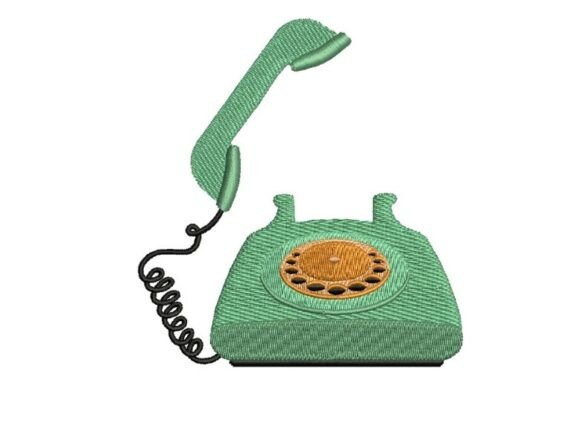
This particular piece showcases a classic rotary-style telephone rendered in a vintage green hue, featuring a golden dial and a coiled black cord. The handset is lifted, which immediately injects a sense of action and nostalgic charm into the composition. For businesses operating in the House category or those selling vintage-inspired goods, this visual cue is powerful. But does it hold up under the needle? Let us break down its performance for real-world applications.
First Impressions and Visual Personality
The first thing that strikes me about the Retro Telephone Embroidery Design is its balance between playful and professional. The color palette—vintage green paired with gold accents—suggests a premium, curated aesthetic rather than a cheap novelty item. This is crucial for handmade brands and Etsy sellers who need their merchandise to reflect quality. The lifted handset adds a dynamic element, preventing the logo from feeling static or boring. It feels friendly yet established, making it suitable for creative studios, bakeries, florists, or any local business that wants to project a warm, welcoming, yet reliable image.
From a technical standpoint, the description implies a focus on distinct color blocks. In Embroidery, clear separation between colors is vital for clean production. The contrast between the green body, golden dial, and black cord suggests that the digitizer has considered thread color transitions carefully, which is a good sign for minimizing thread breaks and jumps during production.
Real-World Business Applications
When evaluating a digital embroidery file for client work, I always ask: where can this live? The Retro Telephone Embroidery Design is versatile enough to serve multiple roles in a small business’s marketing toolkit.
- Branded Patches: This design is ideal for an embroidered patch. The defined shapes of the telephone and cord allow for clean satin or fill stitches that pop against a twill background. Patches are low-risk inventory for shops because they can be applied to various items later.
- Staff Uniforms and Aprons: For cafés or boutiques, this design works beautifully as a chest logo accent on work shirts or as a focal point on apron embroidery. The vintage vibe aligns perfectly with artisanal coffee shops or retro diners, enhancing staff professionalism while reinforcing brand theme.
- Cap and Tote Bag Branding: The compact nature of a rotary phone makes it suitable for cap embroidery, particularly on the front panel where space is limited. Similarly, it serves as an excellent center-piece for a tote bag design, offering customers a stylish accessory that doubles as mobile advertising.
- Product Packaging and Gifts: Small businesses often overlook packaging. A small version of this design can be stitched onto fabric tags or gift pouches, adding a tactile, high-value feel to the unboxing experience.
Technical Considerations for Production
While the aesthetic is strong, successful execution depends on technical precision. Here are specific areas where you must exercise caution when using the Retro Telephone Embroidery Design.
Stitch Density and Detail: The golden dial and coiled cord contain finer details. If you are scaling this down for a small patch or a pocket logo, you must check the stitch density. High density on small details can cause puckering, especially on lighter fabrics. Always review the stitch count and zoom in on the digitized file to ensure the gold threads do not merge into the green background.
Fabric Texture and Stabilizer: This design will perform differently on various materials. On smooth cotton or polyester blends, the lines will remain crisp. However, on textured fabrics like canvas tote bags or thick denim, the smaller details might get lost. In these cases, using a cut-away stabilizer is non-negotiable to support the stitch structure. For caps, which have a curved surface, ensure the design is centered correctly to avoid distortion during hooping.
Color Contrast on Dark Uniforms: The vintage green and gold may not stand out sufficiently on dark navy or black uniforms without modification. You might need to add a white underlay or adjust the thread colors to ensure visibility. Always create a printable mockup to visualize these changes before stitching the final finished product.
Impact on Brand Identity and Customer Trust
Consistency is key to building trust. When a customer sees the same high-quality Retro Telephone Embroidery Design on your website, your packaging, and your staff’s aprons, it reinforces recognition. This visual consistency signals professionalism. For handmade product sellers, embroidered branding elevates perceived value far beyond printed labels. It tells the buyer that care and craftsmanship went into every aspect of the business, not just the primary product.
Moreover, using such a distinctive icon helps differentiate your brand in a crowded market. While competitors might use generic text logos, a well-executed graphic like this creates an emotional connection through nostalgia and style. It turns a simple transaction into a brand experience.
Practical Designer Notes for Buyers
Before you purchase and produce, follow these steps to ensure success with your design assets:
- Test in Black and White: Before committing to colored threads, stitch a monochrome version. This reveals if the shape holds up without color reliance and highlights any spacing issues.
- Check Hoop Size Compatibility: Confirm the maximum dimensions of the design fit your machine’s smallest hoop if you plan to do small patches, or your largest hoop for tote bags. Do not assume the size; check the file specifications.
- Verify Commercial Licensing: Ensure the license included with the embroidery file permits commercial use for physical goods. This is critical for commercial embroidery projects where you are selling the stitched items.
- Review Thread Colors: Match the digital colors to your actual thread chart (e.g., Madeira or Isacord). Digital screens vary, so physical swatching ensures the vintage green and gold look as intended.
- Create Client Mockups: If you are designing for a client, place the design on photos of their actual products. This manages expectations and allows for approval before machine time is wasted.
In conclusion, the Retro Telephone Embroidery Design is a robust asset for small business merchandising. It bridges the gap between nostalgic charm and modern branding needs. By paying attention to stitch density, fabric choice, and placement, you can leverage this design to create memorable, high-quality branded items that resonate with customers and elevate your professional presence.