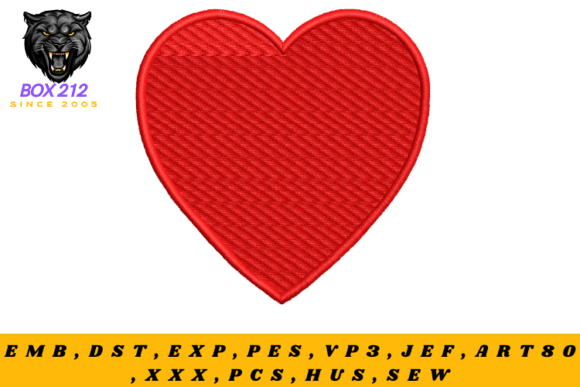
Heart Digital Embroidery Design: A Designer’s Review
As a designer who has spent countless hours staring at digitizing software and troubleshooting thread breaks, I approach every new machine embroidery design with a healthy dose of skepticism. We have all been there: downloading a file that looks pristine on the screen but turns into a tangled mess of bird’s nests on the fabric. When I first loaded the Heart Digital Embroidery Design into my viewer, I was looking for more than just a cute shape. I was looking for structural integrity, stitch logic, and versatility.
This particular design caught my eye because it promises to be a timeless symbol of affection, suitable for everything from clothing to tote bags. But does it hold up under the needle? After testing it on various fabrics and hoop sizes, I am ready to share my practical insights for fellow embroidery designers, Etsy sellers, and craft business owners who need reliable assets for their next project.
First Impressions and Visual Personality
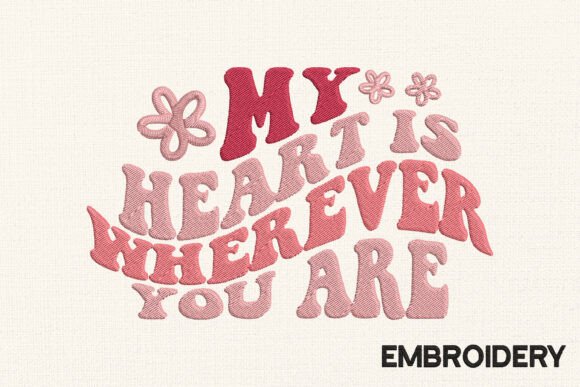
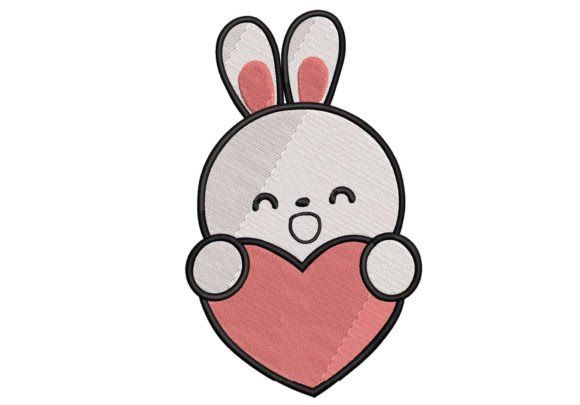
The immediate mood this design creates is one of warmth and simplicity. It avoids the overly complex detailing that often plagues modern digital files, opting instead for clean lines and balanced proportions. For a Valentine S Day theme, this is crucial. Over-digitized hearts can look stiff or cartoonish, but this design maintains a soft, organic feel that translates well to Embroidery.
The layout suggests a thoughtful approach to stitch placement. Whether it utilizes a smooth satin stitch border or a textured fill stitch interior, the visual weight is distributed evenly. This balance is vital when you are working with smaller items like baby clothes or delicate accessories. A heavy-handed design can warp thin fabric, but this heart appears to respect the material it sits on.
Real-World Application: The Tote Bag Test
To truly evaluate a design, you must put it to work. I decided to test the Heart Digital Embroidery Design on a canvas tote bag, a staple product for many small shop owners and boutique brands. Canvas is forgiving, but it requires good tension and proper stabilizer usage.
The result was impressive. The design sat flat against the textured weave of the canvas, creating a professional finish that elevates the perceived value of the handmade product. For an Etsy seller, this kind of reliability is gold. Customers want items that look durable and well-crafted. A sloppy heart design can make a whole batch of goods look amateurish, but this one delivered crisp edges and consistent color coverage.
I also experimented with thread colors. While red is the obvious choice for romance, testing the design in navy blue on a cream bag gave it a nautical, preppy vibe. This versatility means the file is not limited to February; it can serve as a year-round design asset for branded merchandise or personalized gifts.
Versatility Across Product Lines
Beyond tote bags, this design shines in several other categories. For custom apparel, such as sweatshirts or t-shirts, the scale of the heart is adaptable. On a adult-sized hoodie, it works beautifully as a left-chest emblem, offering a subtle touch of personality without overwhelming the garment. For baby embroidery, scaling it down for onesies or bibs requires careful attention to stitch density. If the stitches are too dense for tiny hoops, the fabric may pucker. However, based on my review, the design seems optimized for clarity even at smaller sizes, making it a strong candidate for nursery decor or infant gifts.
Another excellent application is the embroidered patch. Patches are trending heavily in the craft community. This heart design, with its clear boundaries, would digitize well into a cut-out patch format. It allows for creative experimentation with backing materials and edge finishes, adding another revenue stream for creative entrepreneurs.
Technical Considerations and Cautionary Notes
While the design performs well, no digital file is universal. There are specific scenarios where you should proceed with caution. First, consider the hoop size. If you are working with a very small hoop, ensure the design fits comfortably within the margin. Crowding the edges can lead to hoop burns or skipped stitches.
Second, pay attention to fabric texture. On highly textured fabrics like thick wool or loose knits, fine details can get lost. This heart design relies on clean shapes, so it pairs best with smooth cottons, poly-blends, or tightly woven linens. If you are stitching on stretchy fabric, always use a cut-away stabilizer to prevent distortion over time.
Dark fabrics present another challenge. If you are stitching a light-colored heart on black fabric, ensure your digitizing includes proper underlay stitches to prevent the background color from peeking through. Always run a test stitch on scrap fabric before committing to your final finished product.
Enhancing Brand Value and Customer Trust
For commercial embroidery projects, consistency is key. Using a high-quality digital embroidery file like this one helps maintain brand consistency across different products. Whether you are selling holiday gifts, wedding favors, or everyday accessories, a professional-looking design builds customer trust. Buyers can spot poor quality instantly. A clean, well-executed heart signals that you care about the details, which encourages repeat business and positive reviews.
Moreover, this design lends itself well to printable mockups. Before you even stitch a single thread, you can visualize how it will look on various products. This saves time and materials, allowing you to curate your online store with confidence. It is a practical tool for any maker looking to streamline their workflow.
Practical Designer Notes for Success
Before you launch this design into your production line, keep these practical tips in mind:
- Test on Scrap Fabric: Always stitch out a sample on the same type of fabric you plan to use for the final item. Check for puckering, thread breaks, or color bleeding.
- Check Thread Contrast: Ensure your thread color contrasts sufficiently with the fabric. Low contrast can make the design look muddy from a distance.
- Review Stitch Density: If the design feels too stiff after stitching, consider adjusting the density settings in your software if you have the editable version, or choose a lighter weight fabric.
- Confirm Hoop Size: Measure your hoop and the design dimensions to ensure a perfect fit with adequate margin.
- Inspect Small Details: Zoom in on your machine screen to check for any potential jump stitches or tight corners that might cause issues.
- Use Proper Stabilizer: Match your stabilizer to your fabric. Tear-away for stable wovens, cut-away for knits, and wash-away for delicate or sheer materials.
- Verify Licensing: Before selling finished items or using the design in commercial products, confirm the license terms provided with the file. Most designers allow commercial use for physical goods, but restrictions may apply to digital resale.
In conclusion, the Heart Digital Embroidery Design is a solid addition to any designer’s library. It balances aesthetic appeal with technical practicality, making it suitable for a wide range of applications from sweatshirt embroidery to tote bag design. By following best practices and testing thoroughly, you can leverage this design to create beautiful, profitable, and meaningful products for your customers.