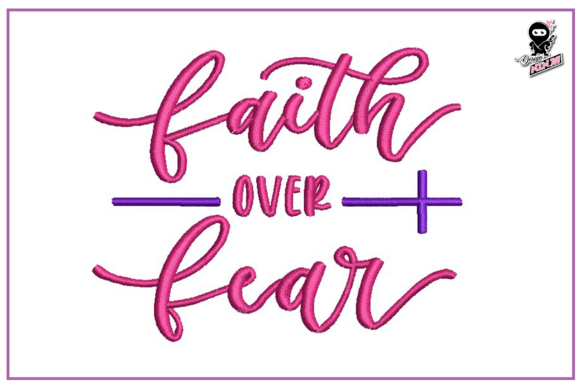
Faith over Fear Embroidery: A Designer’s Review
As an embroidery designer who has spent years digitizing and testing files for small business merchandise, I approach every new machine embroidery design with a critical eye. It is not just about aesthetics; it is about functionality, durability, and brand alignment. Recently, I evaluated the Faith over Fear Embroidery file to determine its viability for commercial use. This review focuses on how this design performs in real-world applications for boutique owners, apparel decorators, and handmade brands looking to elevate their product offerings.
First Impressions and Visual Personality
The initial impression of Faith over Fear Embroidery is one of grounded confidence. The title suggests a message that is both spiritual and empowering, fitting squarely within the Religion category while maintaining broad appeal for lifestyle brands. Visually, the design feels professional yet approachable. It does not lean too heavily into ornate, fragile details that might get lost in production, nor does it appear overly rigid. Instead, it strikes a balance between modern clarity and classic elegance.
For a small business owner, this visual personality is crucial. It communicates trust and stability. Whether you are running a local café, a creative studio, or an online Etsy shop, the design brings a sense of intentionality to your custom apparel. It feels premium without being ostentatious, making it suitable for a wide range of customer demographics who value meaningful messaging in their handmade product choices.
Real-World Business Applications
The true test of any digital embroidery file is its versatility across different substrates and products. In my assessment, Faith over Fear Embroidery shows strong potential for several key merchandise categories.
Patches and Badges
One of the most effective uses for this design is as an embroidered patch. Patches are low-risk, high-margin items that allow customers to personalize existing garments. The design’s structure appears robust enough to hold up when stitched onto twill or felt backings. For boutiques selling curated goods, offering these patches as add-ons can significantly increase average order value.
Staff Uniforms and Aprons
For service-based businesses like bakeries, florists, or coffee shops, staff presentation is part of the brand experience. Using this design for apron embroidery adds a touch of warmth and values-driven identity to the uniform. It transforms a standard work garment into a conversation starter. However, placement is key. A left-chest position works best for subtle branding, while a larger back placement can make a bold statement for event staff.
Caps and Tote Bags
Cap embroidery requires designs that can handle curvature without distortion. This design seems adaptable to the front panel of a baseball cap, provided the stitch path is optimized for the curved surface. Similarly, as a tote bag design, it offers a durable mark of quality. Canvas bags endure significant wear, so the design must maintain integrity after repeated washing. The bold nature of the "Faith over Fear" message pairs well with the utilitarian aesthetic of tote bags, appealing to customers who carry their values with them literally and figuratively.
Technical Considerations for Production
While the aesthetic appeal is strong, technical execution determines the success of the finished product. Here are specific areas where careful attention is required when using this file.
- Stitch Density: High stitch density can cause puckering, especially on lighter fabrics. Before running a full production batch, test the design on the specific fabric weight you intend to use. If the design feels stiff, consider adjusting the density settings in your embroidery software if the file allows, or choose a heavier fabric like denim or canvas.
- Thread Colors: Contrast is vital for readability. Test the design in black and white first to ensure the shapes remain distinct without color reliance. For branded merchandise, ensure the thread colors align with your brand palette while maintaining sufficient contrast against the garment color.
- Hooping and Stabilizer: Always use the appropriate stabilizer for your fabric type. Cut-away stabilizer is generally recommended for garments that will be washed frequently, such as t-shirts and aprons, to prevent distortion over time. Confirm the required hoop size before purchasing to ensure it fits your machine’s capabilities.
- Small Scale Legibility: If you plan to use this as a small label or tiny chest logo, verify that the text remains legible. Tiny lettering can merge together if the stitches are too dense or the thread too thick. A test run at the smallest intended size is non-negotiable.
Impact on Brand Identity and Customer Trust
Incorporating Faith over Fear Embroidery into your product line does more than decorate an item; it reinforces your brand identity. For businesses rooted in community, faith, or wellness, this design acts as a visual anchor. It signals to customers that your brand stands for something beyond profit. This emotional connection fosters loyalty and trust.
Furthermore, high-quality embroidery conveys professionalism. A well-stitched design suggests attention to detail and care in production. When customers see clean lines, proper tension, and durable stitching, they perceive higher value. This perception allows for better pricing power and distinguishes your small business merch from mass-produced alternatives. It turns a simple item into a keepsake.
Practical Designer Notes for Implementation
Before integrating this design into your commercial workflow, follow these steps to ensure quality control:
- Create a Printable Mockup: Use a printable mockup to visualize the design on various products. This helps in marketing materials and client approvals before any thread is pulled.
- Test on Real Fabric: Never rely solely on screen simulations. Stitch out the design on the actual fabric you will sell. Check for pull, puckering, and thread breaks.
- Review Design Assets: Compare this design beside your other design assets to ensure visual consistency. Does it fit with your existing logo and typography styles?
- Confirm Licensing: Always verify the commercial licensing terms of the embroidery file. Ensure you have the right to use it for physical goods sold for profit. If the description does not explicitly state commercial rights, contact the creator before proceeding.
- Check File Formats: Ensure the downloaded file includes the format compatible with your embroidery machine. Common formats include PES, DST, and EXP. If the specific format is not listed in the product description, reach out to the seller.
In conclusion, Faith over Fear Embroidery is a versatile and meaningful addition to a designer’s library. It bridges the gap between personal expression and professional branding. By paying attention to technical details like fabric texture, thread colors, and stabilizer choice, you can produce high-quality items that resonate with your audience. Whether used for commercial embroidery projects, customer gifts, or retail merchandise, this design offers a solid foundation for creating products that inspire and endure.